
When Your Website Makes the Business Look Smaller Than It Is
Plenty of established businesses have a website that no longer matches how good they are now. This post covers how to tell if that's happening to you, and what a proper rebuild should fix: credibility, clarity, enquiry flow and follow-up.
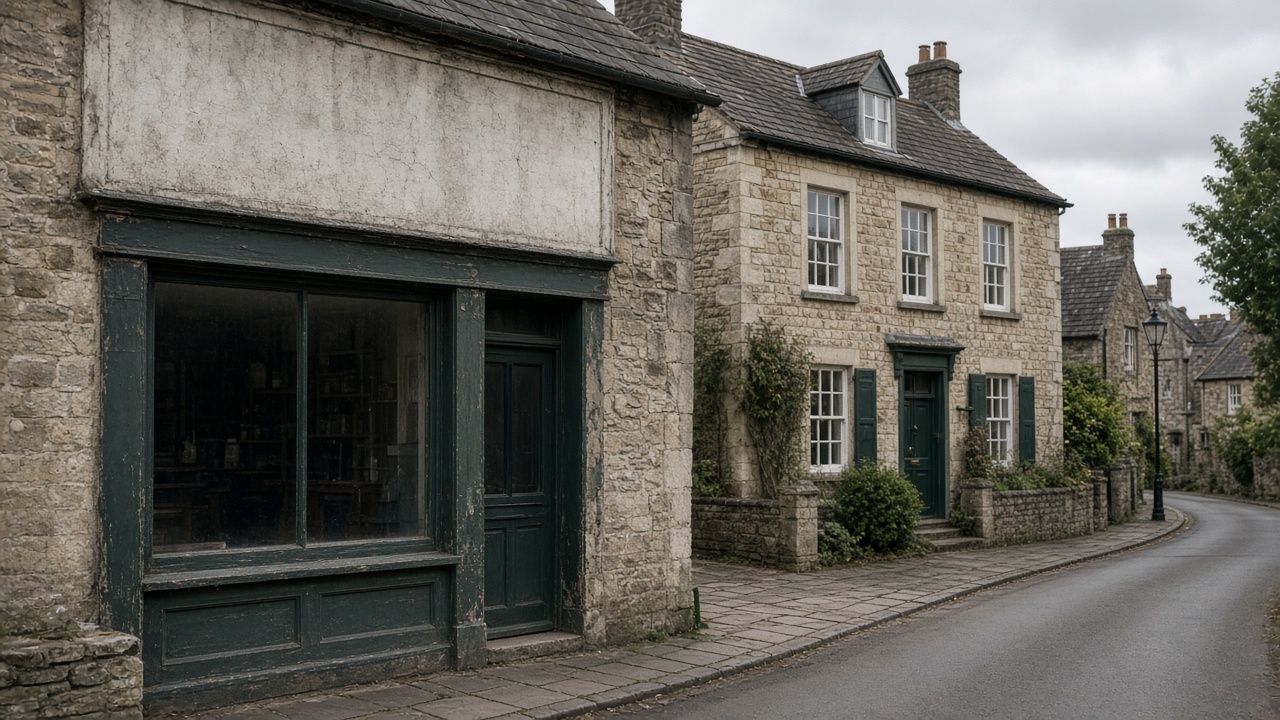
Most established businesses don't set out to have a weak website. It happens slowly. The site was fine when it went live. Then the business grew, took on bigger work, hired better people and raised its standards, and the website stayed where it was.
Eventually the gap starts to cost you. You probably won't see it in an obvious way. It shows up as the enquiry that never arrived, the prospect who picked a competitor who looked more established, or the call that opens with "we weren't sure if you did this kind of work".
This post is for owners who think that might be happening to them. It covers how to spot the problem, why it matters more on higher-value work, and what a proper rebuild should actually fix.
The quiet cost of an outdated website
For low-cost, quick purchases, people put up with a tired website. For higher-value decisions they don't.
When someone is thinking about spending several thousand pounds or more with you, they're weighing up risk. They want to know you're capable, reliable, still trading, and the right size for what they need. Your website is often the first place they check, and sometimes the only place they check before deciding whether to get in touch.
If the site looks older, smaller or less organised than the business really is, it creates doubt at exactly the wrong moment. Nobody emails to tell you this. They just move on.
That's why an outdated website is easy to ignore. The cost is real, but you never see it on a report.
Signs the business has outgrown the site
Some of these will sound familiar:
- You're slightly reluctant to send people to it. If you'd rather a prospect didn't look too closely, that's worth taking seriously.
- It describes the business you were, not the one you are now. The services, the type of client and the scale of the work have moved on, but the pages haven't.
- People phone to ask questions the site should answer. That's a sign the content isn't doing its job.
- Enquiries are vague or poorly matched. A form that asks for a name and a message tells you very little and attracts anyone.
- Nobody is quite sure what happens to enquiries once they arrive. They land in an inbox, someone usually replies, and now and then something slips through.
- It's awkward to update. So it doesn't get updated, and it falls further behind.
If several of these apply, a cosmetic refresh probably won't be enough.
What a proper rebuild should fix
A new website isn't the goal in itself. Whether it was worth doing comes down to whether the business is easier to understand, easier to trust and easier to contact afterwards, and whether your team has a better way to deal with what comes in.
The work usually falls into four areas.
1. Credibility
The first job is to close the gap between how good the business is and how good it looks.
That's partly visual: layout, typography, photography and an overall sense of care. But it's also about substance. Serious buyers look for evidence that you understand their situation. They look for clear explanations of how you work, real examples where you have them, and signs of a business that is organised and here to stay.
The opening section of each key page matters most. Within a few seconds a visitor should be able to tell this is a serious business doing serious work, and not a quick template.
2. Clarity of the offer
Many websites tell people what the business does but not why they should trust it with a significant decision.
Good content answers the questions a careful buyer has before they enquire:
- What exactly do you do, and who is it for?
- What kind of problem do you solve?
- How does the process work, from first contact to finished job?
- What does it roughly cost, or at least where does it start?
- Why choose you over the alternatives?
Being clear about this isn't oversimplifying. It's showing that you understand your own offer well enough to explain it plainly. It also puts off the people who were never a good fit, which saves time on both sides.
3. Enquiry flow
Lots of good prospects get as far as thinking about getting in touch, then hesitate. The next step looks like too much commitment, or it isn't clear what will happen once they've sent the form.
A well-planned enquiry route deals with that. The call to action is useful and low-pressure. The form asks enough to qualify the enquiry without becoming a chore. Visitors are told what happens next and roughly how quickly. Different types of enquiry can go down different routes where that makes sense.
The aim isn't just more enquiries. It's better ones: clearer, better matched, and easier to respond to properly.
4. Follow-up
This is the part most website projects leave out, and it's often where the most value is lost.
An enquiry that lands in a shared inbox depends on someone noticing it, replying, and remembering to chase it. On a busy week that doesn't always happen. Good prospects go cold because the business was busy doing the work, not because it didn't care.
A proper rebuild treats the website as the start of the sales process. Enquiries should go somewhere structured, with a clear owner, a stage and a next action. Depending on the business, that might be a simple pipeline, a CRM, or automated reminders and handovers. What matters is that follow-up no longer relies on memory.
Why planning comes before design
When a business decides it needs a new website, the natural instinct is to start with how it should look. That matters, but it's rarely the right place to begin.
The more useful questions come first. Who are you trying to attract? What do they need to understand before they get in touch? What should the enquiry route look like? What happens after someone makes contact, and who is responsible? What needs to connect to what?
Answering these before design starts keeps the project from turning into just another redesign. It also means you understand the plan, the scope and the reasons behind it before committing to the full build, so there are fewer surprises later.
Is it the right time?
A rebuild isn't always the answer. If the current site is broadly sound and just needs better content or a few fixes, that can be the sensible route.
But if the business has clearly moved on, if you're pitching for higher-value work, or if enquiries are getting lost in the day-to-day, the website is probably holding you back more than it seems. Fixing it is less about appearance and more about removing friction from the front of the business.
A sensible next step
If this sounds familiar, the best place to start is a proper conversation, not a quote.
At Westward Digital we work with established businesses across Somerset, Devon, Dorset, Bristol and Bath & North East Somerset. Marcus plans each project directly, and our Digital Discovery stage maps out positioning, page structure, enquiry flow and system requirements before any larger build is agreed.
Website projects start from £4,500. If you'd like to talk through where your current site is falling short, email hello@westwarddigital.co.uk with a short note about your business and what isn't working. There's no obligation, and you'll get a straight answer about whether we're the right fit.
Working through something similar?
We can help you work out what to address first.